
Issuance of the Unified Law on Volunteering for GCC Countries
Law No. (6) of 2026 has been enacted, issuing the Unified Law on Volunteering for the countries of the Gulf Cooperation Council (GCC). The law aims to regulate and develop volunteer work while enhancing the participation of individuals and institutions in community service. The Ministry of Social Development and Family has been tasked with overseeing its implementation in coordination with the competent authorities in the country.
This draft law comes within the framework of enhancing social responsibility, fostering a culture of volunteering, and organizing volunteer work based on clear institutional foundations. This ensures that volunteering is practiced freely and by choice, safeguards the rights of both volunteers and host organizations, outlines their respective duties, and achieves a sustainable social impact.
Furthermore, the law aligns with the Social Pillar of the Qatar National Vision 2030, the targets of the Third National Development Strategy (2024–2030), and the strategic goals of the Ministry of Social Development and Family (2025–2030). These goals aim to strengthen social cohesion, increase volunteer participation rates, and establish volunteering as a societal value and a sustainable development practice, ultimately leading to a cohesive and responsible society.
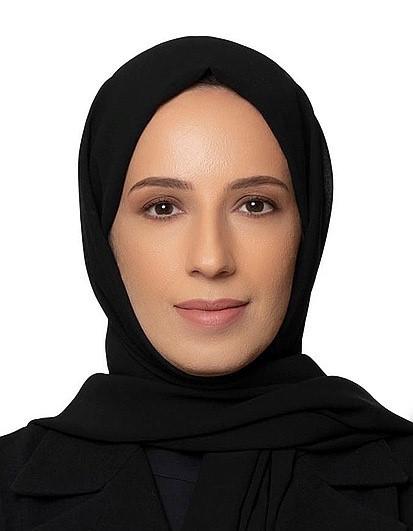
In this regard, Her Excellency Ms. Buthaina bint Ali Al Jabr Al Nuaimi, Minister of Social Development and Family, emphasized that the issuance of the Unified Law on Volunteering for the GCC countries represents a major step toward unifying the regulatory framework of this vital sector across the GCC. This will contribute to enhancing integration and coordination among member states and facilitating the participation of volunteers in joint initiatives and programs.
Her Excellency explained that this law helps raise the efficiency of volunteer work, unify procedures and standards, and strengthen collective responses in humanitarian and developmental initiatives—particularly during crises and regional events—positively impacting the quality and outcomes of the work. She added that the law embodies a shared Gulf vision toward developing volunteer work and enhancing its role as an effective tool for supporting sustainable development, while reinforcing the values of cooperation and solidarity among the peoples of the GCC.
The Unified Law on Volunteering for the GCC countries aims to regulate and develop volunteer work and boost the participation of individuals and institutions in community service by establishing a unified regulatory framework for volunteering across GCC states.
The law includes several regulatory provisions for practicing or organizing volunteer work and establishing volunteer teams, in addition to creating a dedicated registry for volunteers, teams, programs, and volunteer activities.
It also defines the obligations of host organizations, which include training volunteers, ensuring their safety, and providing certificates documenting their completed volunteer work. Additionally, it outlines the obligations of volunteers to comply with rules and instructions and to maintain data and information confidentiality.
Furthermore, the law prohibits generating any direct or indirect financial return from the efforts of volunteers, and bans collecting or advertising donations in violation of the applicable regulations in the country. It also regulates the guidelines for volunteer work outside the country and volunteering mechanisms during crises and disasters.
This law comes as part of ongoing Gulf efforts to promote and regulate volunteer work, thereby supporting community development and embedding a culture of social responsibility and humanitarian action within the GCC countries.
The Unified Law on Volunteering also aligns with the State of Qatar's directives aimed at promoting and regulating volunteerism and fostering a culture of social responsibility. This coincides with the launch of the National Volunteering Platform, which serves as an integrated national framework to regulate and empower volunteer work, and to enhance the participation of individuals and institutions in community service.
More News
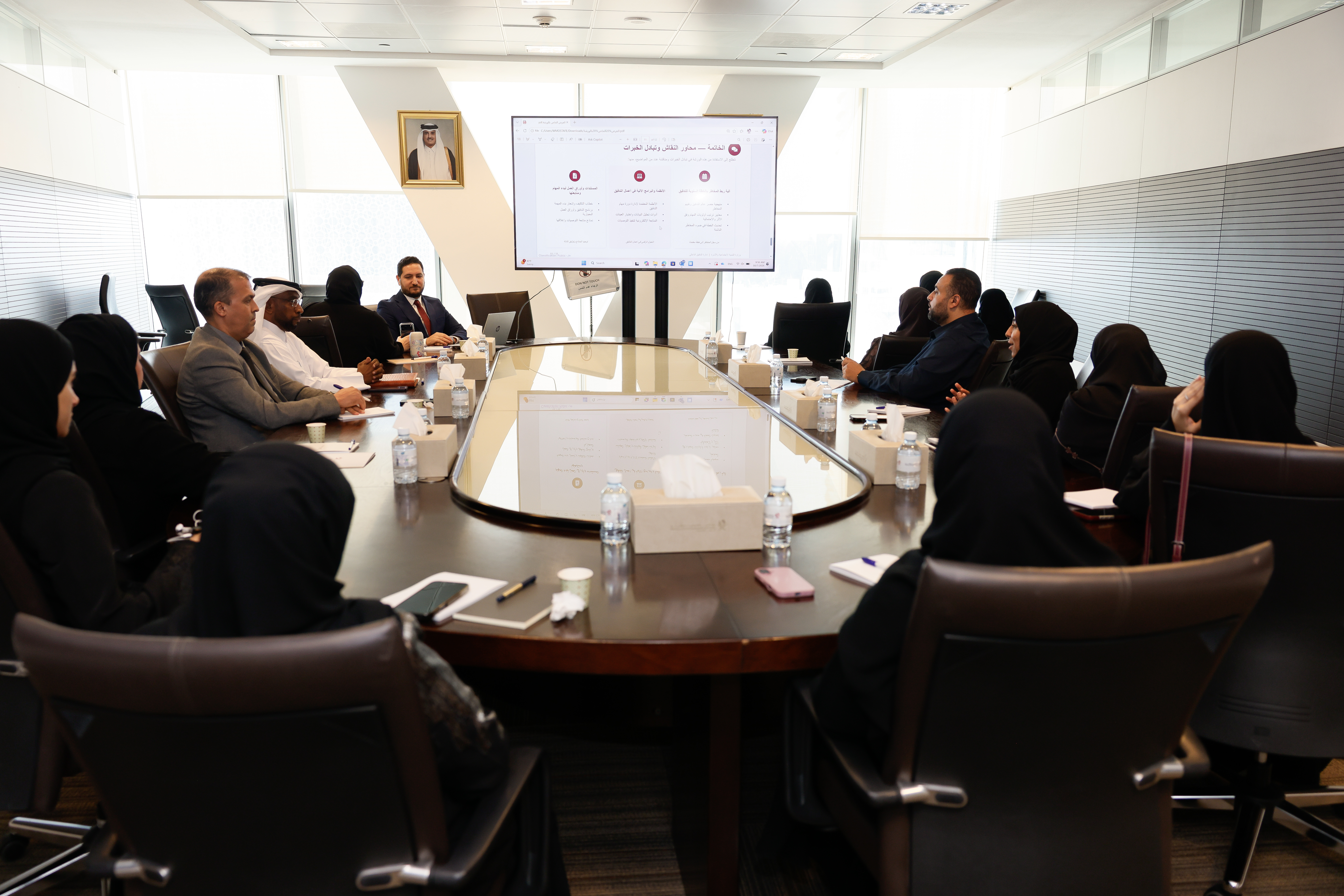
As part of efforts to strengthen cooperation and the exchange of expertise among government institutions, the Ministry of Social Development and Family (MSDF), represented by the Internal Audit Department, organized a workshop with the Katara Cultural Village Foundation to exchange expertise and transfer knowledge in the field of internal auditing. The workshop was held on October 7 at the Ministry's headquarters.
Read more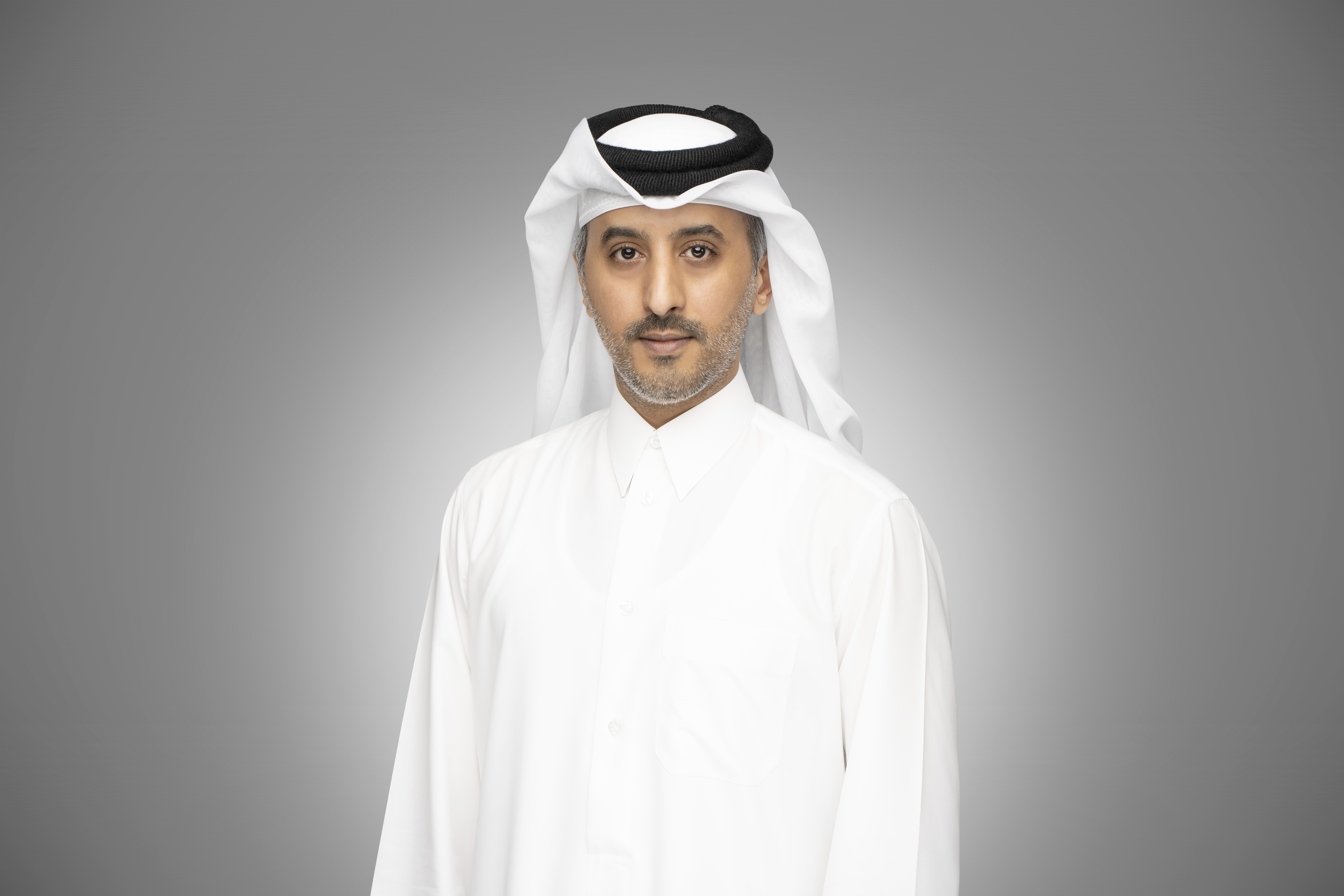
The Ministry of Social Development and Family (MSDF) has launched the e-platform for managing associations and private institutions, as part of its efforts to keep pace with Qatar's digital transformation, enhance user experience and develop the services provided to associations and private institutions registered under Decree-Law No. (21) of 2020 on Associations and Private Institutions. The platform facilitates access to information and services and reflects the Ministry's commitment to providing advanced digital services that meet the needs of all segments of society.
Read more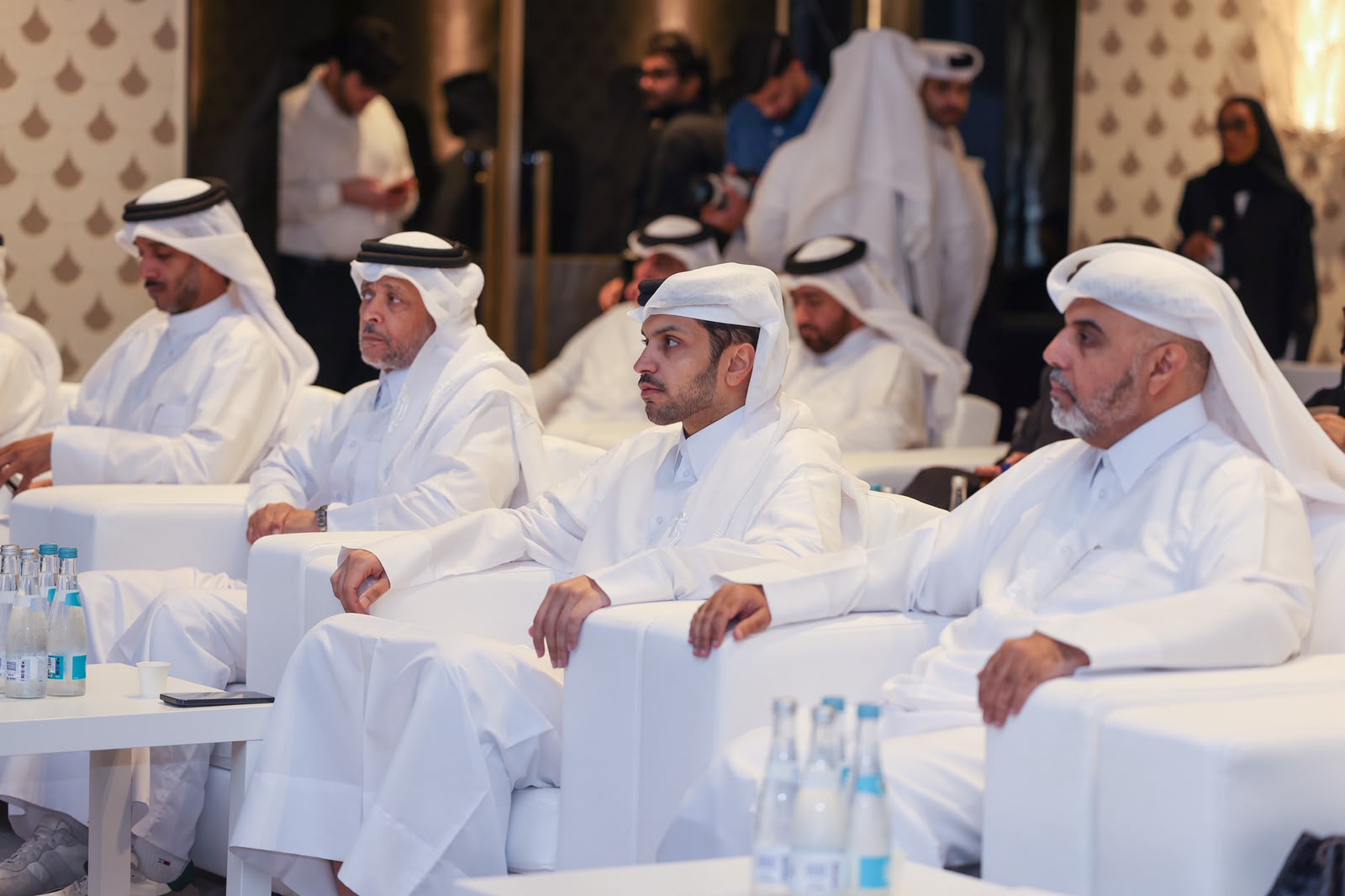
The Ministry of Social Development and Family (MSDF) organized the Third National Forum for Social Workers in the State of Qatar on October 5 and 6, 2026, under the theme "Professional Responsibility and Social Impact." The forum was held under the patronage of H.E. Mrs. Buthaina bint Ali Al Jabr Al Nuaimi, MSDF Minister, with the participation of a select group of experts, specialists and social workers.
Read more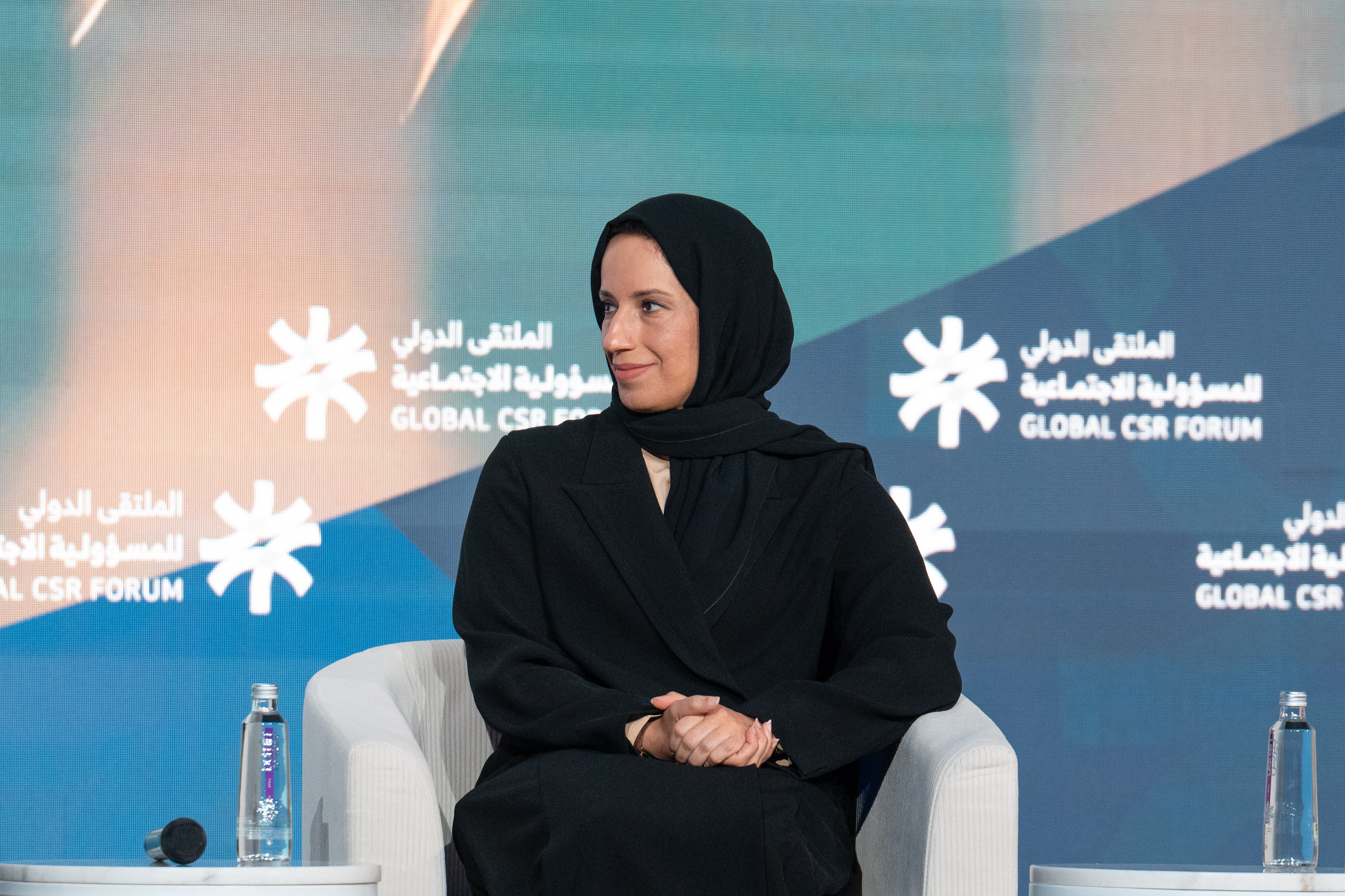
H.E. Mrs. Buthaina bint Ali Al Jabr Al Nuaimi, Minister of Social Development and Family (MSDF Minister), participated in the second edition of the Global CSR Forum, held in Riyadh under the theme "From Commitment to Impact," with the participation of a number of ministers, officials, experts and specialists in the field of corporate social responsibility (CSR).
Read more